


























JERSEY CITY, NJ —
June 25, 2026 |
By DailyHudson Staff
The move frees up over $1 million without raising taxes, but critics worry about lost community programs.
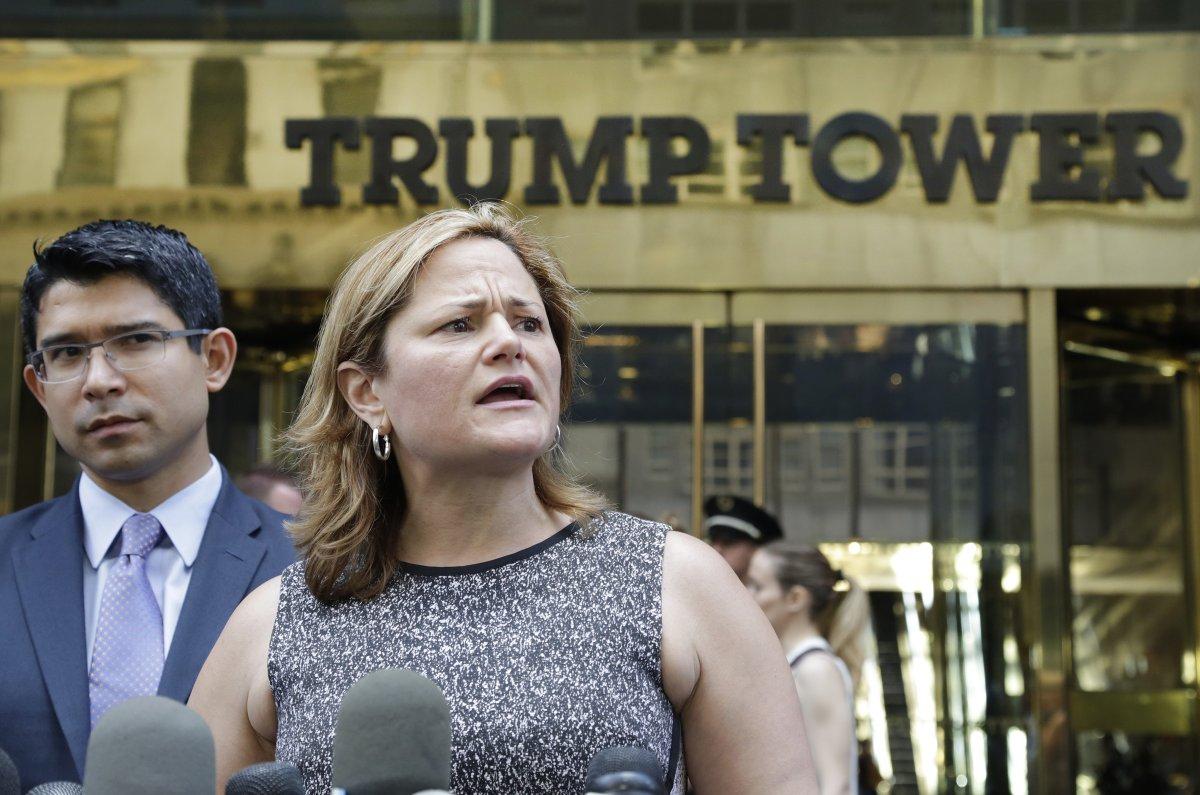
It was a night of applause and tough choices at the Jersey City Council meeting. Councilman Rolando Lavarro stood at the podium, tired but determined, and told the packed room that the city needed to get creative. “We owe it to the people of Jersey City,” he said. Then he laid out a plan: take the city’s cannabis tax revenue — money that was supposed to go to schools, affordable housing, and social equity programs — and use it instead to cover the city’s $1 million budget shortfall.
The crowd applauded. The council voted 9-0 to introduce the ordinance. But the decision isn’t just a policy fix. It’s a signal about how deep the city’s financial trouble really is.
What’s Actually Happening
Right now, Jersey City collects a special tax on cannabis businesses. This isn’t the general sales tax — it’s a local levy the city can impose on cannabis cultivators, manufacturers, wholesalers, and retailers. The rates range from 1% to 2% depending on the type of sale. That money sits in a dedicated fund.
Under the old setup, that fund was supposed to support specific community programs: the Board of Education, the Affordable Housing Trust Fund, and a Cannabis Fund Committee to help with social equity. But the city has a massive budget deficit. So the council voted to redirect that cannabis tax money — just over $1 million — into the general operating budget instead.
Councilman Lavarro was blunt: “This doesn’t solve it. Not by a long shot. But every dollar makes a difference.”
How We Got Here
Jersey City’s budget problems have been building for years. Under former Mayor Steve Fulop, the city had some financial flexibility, but costs kept rising. The pandemic hit local revenue hard. Property taxes already take a big bite from residents. The city needed a way to cover this year’s deficit without asking homeowners to pay more.
Cannabis tax money seemed like a logical source — at least in the short term. But it was never meant for general operations. The original plan was to build a separate “cannabis fund” dedicated to social equity and community investment. That fund never fully materialized.
Last year, $500,000 of that cannabis tax money was already used to fund the city’s summer youth program. So this isn’t the first time the dollars have been stretched. But moving the entire stream into the operating budget is a bigger step.
What It Means for Hudson County Residents
For the average Jersey City family, this move means property taxes won’t go up — at least not because of this particular deficit. That’s good news for parents packing school lunches and commuters checking their bank accounts before the monthly mortgage payment hits.
But there’s a trade-off. Money that could have gone to affordable housing or to programs that help communities hurt by the war on drugs is now covering basic city services. Some advocates worry this sets a bad precedent. If cannabis revenue becomes a regular budget crutch, what happens when sales slow down or competition increases?
Councilman Lavarro acknowledged the concern. He said he intends to “keep turning over every stone until we exhaust every single option.” That’s reassuring. But for families living paycheck to paycheck, the short-term fix is welcome.
What People Are Saying
Councilman Lavarro, the ordinance sponsor, made the pitch directly to the public: “It doesn’t solve it. Not by a long shot. It frees over $1 million in cannabis tax revenue and directs it to our general operating budget. Dollars that will help close our deficit without raising taxes on our Jersey City residents.”
No council members spoke against the ordinance during the meeting. It passed on first reading without debate. But residents in the audience and on social media have voiced concerns about where the money for social equity programs will come from now.
What Comes Next
This was just the first vote. The ordinance still needs to pass a second reading and final approval. That could happen at the next council meeting, likely within a few weeks. If it passes, the change will take effect immediately.
Residents who want to speak on the issue should attend the next council meeting or contact their council member directly. The public hearing will give folks a chance to ask hard questions — like what happens to the affordable housing fund and the cannabis committee.
The council also introduced a separate measure asking the city comptroller to investigate Jersey City’s finances. That could reveal more about how we got here — and what other options are available.
For now, the message from City Hall is clear: they’re choosing between bad options, and they’re trying not to make it worse for working families.
Source: Hudson County View