
























JERSEY CITY, NJ —
August 03, 2026 |
By DailyHudson Staff
From retirees to renters, locals weigh in on what the steep increase means for their wallets and their future.
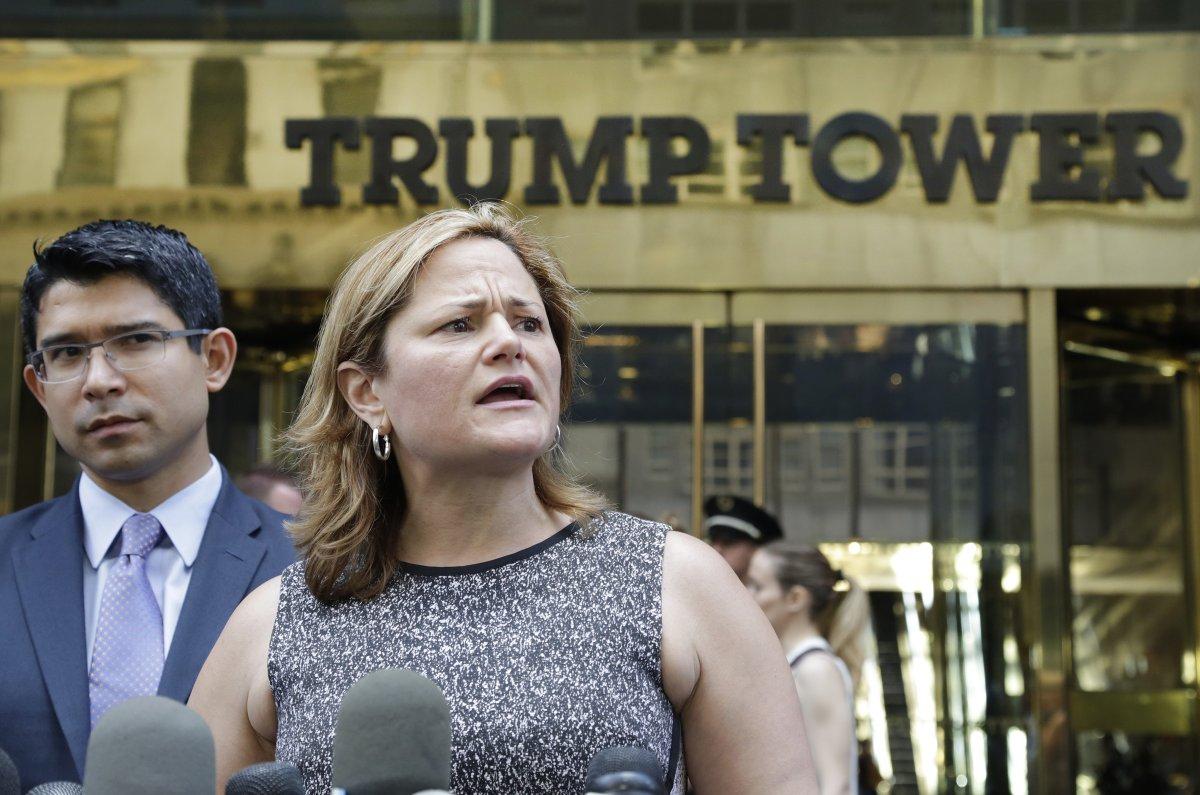
The news landed like a punch to the gut for many Jersey City residents: their municipal property taxes are going up 15%. For Delphine McGee, a summer intern with the Jersey City Times, that announcement was the start of a very human story. She took to the streets to ask people what they really thought.
What she found wasn’t a single, unified rage. It was a range of emotions—frustration, resignation, even a grudging understanding. Some folks nodded, saying the city needs the money for schools and infrastructure. Others shook their heads, worried about how they’ll make ends meet.
The 15% hike is not a small bump. For a home assessed at $500,000, that could mean an extra $1,000 or more a year. That’s real money—the kind that might have gone to a family vacation, a car repair, or a college fund.
How We Got Here
Jersey City has been booming for years. New high-rises along the waterfront, a growing tech scene, and a steady influx of commuters who want to be a quick PATH ride from Manhattan. But that growth has come with growing pains. The city’s budget has ballooned, and officials say they need more revenue to keep up with rising costs for services like police, fire, and sanitation.
This isn’t the first tax increase in recent memory, but it’s the largest in a single year. City officials have pointed to the need for more affordable housing, better roads, and upgraded public facilities. They’ve also noted that the city’s ratables—the assessed value of property—haven’t kept pace with the actual market values, making the tax rate look higher.
What It Means for Your Block
For homeowners, this is a direct hit to the monthly budget. Many residents are already feeling squeezed by inflation, and a tax hike on top of that can be the breaking point. Some may be forced to make choices like postponing a roof replacement or cutting back on summer camps.
But the impact goes beyond property owners. Renters will likely feel it too, as landlords often pass on increases in operating costs. That means a higher rent bill for people who don’t even own property. And for those on fixed incomes—seniors, especially—a 15% jump could be a real threat to their ability to stay in their homes.
Voices from the Street
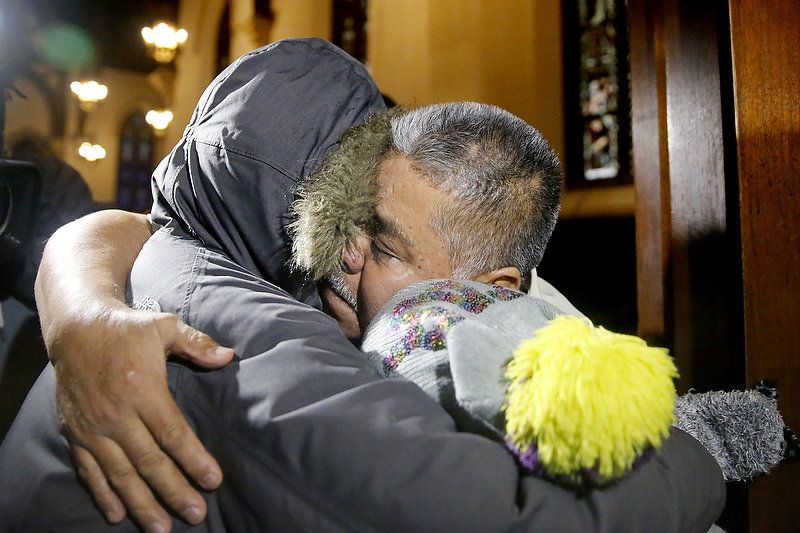
One resident, a retired teacher who has lived in the Heights for 30 years, told McGee she’s scared. “I’ve seen this city change,” she said, “but I never thought I’d be priced out of my own home.” Another, a young professional renting in Downtown, said he gets it: “The city needs to pay for things. But I’m already paying so much in rent. This feels like I’m being taxed twice.”
There were also voices of support. A father of two in the West Side said he’s willing to pay more if it means better schools. “My kids deserve nice playgrounds and good teachers,” he said. “If this is what it takes, then fine.”
City officials have not released the full budget details yet, but they’ve promised transparency. They say they’re working on a plan to ease the burden for low-income homeowners, possibly through a rebate program or an exemption for seniors.
What’s Next
The next step is a series of public hearings where residents can voice their concerns directly to the City Council. The hearings are expected to take place over the next month, and the budget will need to be approved by the end of the fiscal year. It’s a chance for residents to ask questions, offer alternatives, and hold officials accountable.
This story is far from over. The numbers are big, but so is the community’s voice. Whether you’re a homeowner, a renter, or just someone who cares about the future of this city, now is the time to speak up. Go to a meeting, call your councilmember, or just talk to your neighbors. What happens next depends on all of us.
Source: Jersey City Times