

























JERSEY CITY, NJ —
July 15, 2026 |
By DailyHudson Staff
RWJBarnabas Health says the statewide blood supply is dangerously low, and local patients could face delays.
It’s the kind of thing you don’t think about until you need it. A car accident on the Pulaski. A mom hemorrhaging after childbirth. A kid getting treatment for leukemia. And the blood that could save them isn’t there.
That’s where we are right now in New Jersey. The state is facing a serious blood shortage, and Jersey City Medical Center is asking for help.
The hospital, run by RWJBarnabas Health, put out a public call for blood and platelet donations. The shortage is statewide and national, they said. Simply put, there isn’t enough blood to go around.
What’s Actually Going On
Blood supplies typically dip in the summer—people are on vacation, school blood drives are on break. But this year the drop is steeper than normal. RWJBarnabas Health says the need is urgent.
Right now, there’s less than a one-day supply of some blood types on hospital shelves. That means if a trauma case comes in tonight, the hospital has to scramble to find matching blood.
The shortage affects everything from scheduled surgeries to emergency room care. Hospitals have been forced to postpone some elective procedures. For families waiting on a transplant or a cancer patient who needs regular transfusions, it’s nerve-wracking.
How We Got Here
New Jersey has always relied on volunteer donors. The American Red Cross, which supplies many hospitals, declared a national blood crisis earlier this year. The pandemic didn’t help—fewer people donated, and some blood drives were canceled. The recovery has been slow.
But the problem is bigger than COVID. The U.S. population is aging, and fewer younger people are stepping up to donate. Add in the usual summer slump, and you get a perfect storm.
RWJBarnabas Health operates multiple hospitals across the state. When one facility runs low, the system can shift blood around—but not if every hospital is running low at the same time. And right now, that’s what’s happening.
What This Means for Hudson County
If you live in Jersey City, Bayonne, Hoboken, or anywhere nearby, this affects you. Jersey City Medical Center is the only Level II trauma center in the county. That means the most serious injuries—gunshots, bad car crashes, falls from height—come here.
When blood is short, trauma teams make harder calls. They might transfuse less aggressively for patients who are stable. They might hold off on certain surgeries. For the person waiting for that routine knee replacement, the wait gets longer.
It also means that if you or someone you love needs blood—for cancer treatment, an aneurysm, a bleeding ulcer—you may not get it as quickly as you should.
This isn’t about fear. It’s about being ready. The hospital system is asking residents to help refill the shelves before a crisis hits.
What People Are Saying
RWJBarnabas Health put out a straightforward statement: “We encourage all who are eligible to donate blood and platelets. Your donation can save up to three lives.”
No one from the hospital was available for an interview at press time, but the message is clear. They need donors. They need them now.
Across the country, blood centers have echoed the same plea. It’s not a drill. New Jersey is not immune to this nationwide problem.
What Comes Next
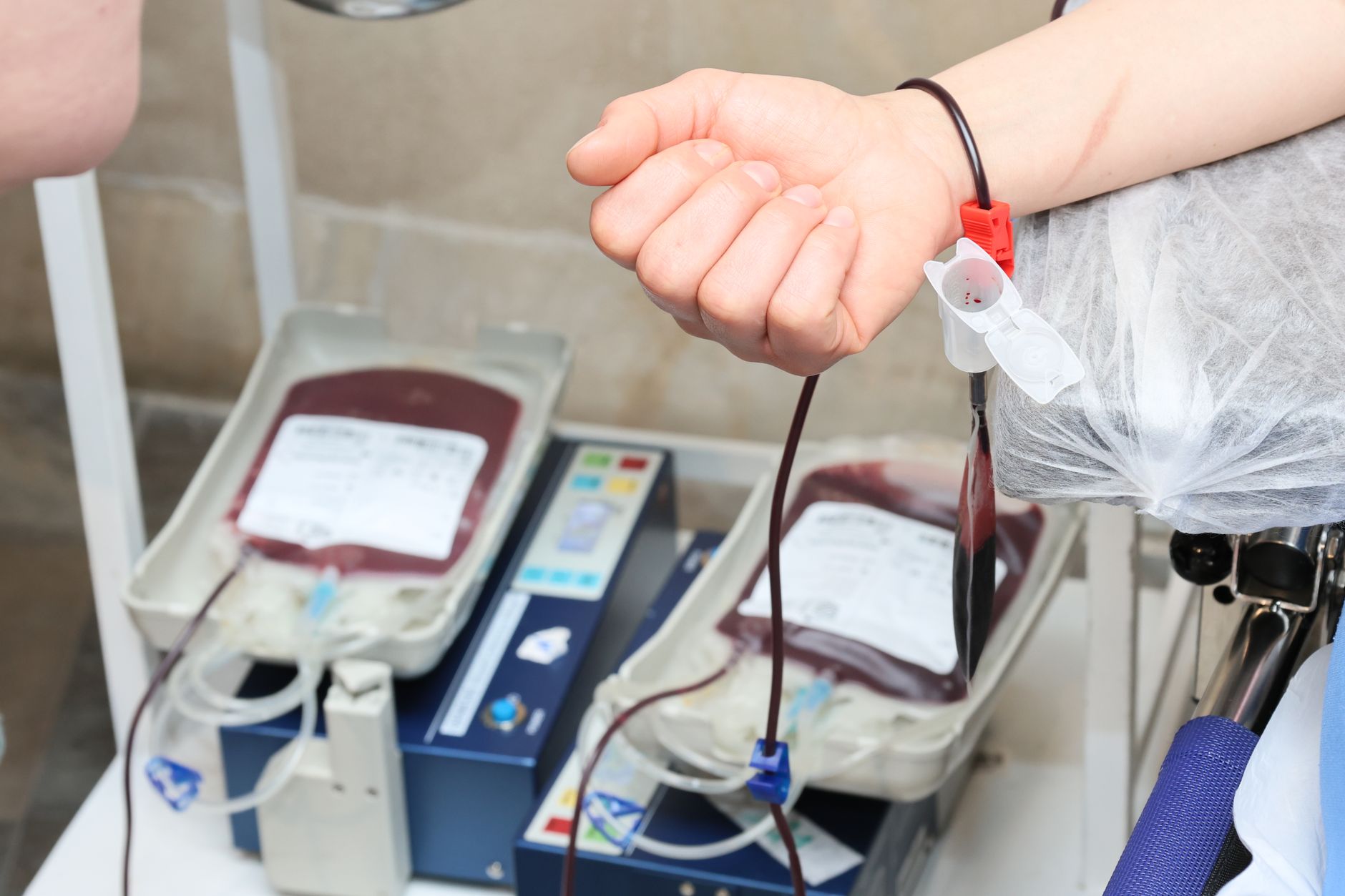
Jersey City Medical Center has a blood donation center on its campus. You can walk in or schedule an appointment online through the RWJBarnabas Health website. The process takes about an hour. You get a snack and a juice box at the end. That’s it.
Donors need to be healthy, at least 17 years old (16 with parental consent), and weigh at least 110 pounds. Bring an ID. If you’ve donated before, check your eligibility window—you can donate whole blood every 56 days.
Blood donations are also happening at local Red Cross drives. Check their website for a location near you.
The shortage won’t fix itself. But a single donation from a regular person—someone packing a school lunch or checking their phone on the PATH—can make the difference between a surgery happening on time or being delayed.
Give blood. It takes an hour. It matters that much.
Source: Jersey City Times