





























If you’re hoping to find an apartment in West New York, New Jersey, you’re in the right place. Overlooking the Hudson River and Manhattan skyline, this Hudson County gem offers a mix of affordable housing, walkable streets, and a tight-knit community vibe. In 2026, the rental market is competitive but still rewarding for anyone who does their homework. Whether you’re a first-time renter or moving from another part of the state, this guide lays out everything you need to know.
Why West New York in 2026?
West New York holds a special spot in the hearts of locals. It’s a classic commuter town with a diverse population, fantastic food scene (especially Cuban and Mexican), and easy access to Manhattan via the NJ Transit buses and the NY Waterway ferry. In 2026, rent prices have steadied after a few years of fluctuation, making it a solid choice for anyone looking to get more square footage for their dollar compared to Jersey City or Hoboken.
According to long-time residents and local real estate agents, inventory is tight but not impossible. The key is to be prepared, flexible, and fast. Many apartments in West New York are still mom-and-pop owned, meaning you’re dealing directly with landlords rather than big leasing offices. This can be a huge advantage once you know the process.
Step 1: Set Your Budget Before You Search
Before you even start scrolling listings, sit down with your finances. In 2026, a general rule of thumb among Hudson County renters is that your monthly income should be at least three times the rent. Landlords in West New York typically ask for a credit check, proof of income, and a security deposit equal to one month’s rent. Some may also require first and last month’s rent upfront, especially if you’re moving in without a long rental history.
Here are some budget numbers to help you gauge:
- Studio apartment: $1,300–$1,600 per month
- One-bedroom: $1,500–$2,000 per month
- Two-bedroom: $2,000–$2,800 per month
- Three-bedroom: $2,500–$3,500 per month
Don’t forget to factor in utilities (gas, electric, water, internet). Many older buildings include heat and water in the rent, but always double-check the lease. Also set aside a moving budget—trucks, boxes, and possibly a cleaning deposit.
Step 2: Know the Neighborhoods
West New York is a compact town of about 1.3 square miles, but the vibe changes block by block. To successfully find an apartment in West New York, you’ll want to match your lifestyle to the neighborhood.
Boulevard East
This is the most scenic stretch, with high-rise buildings that face the river. Apartments here often come with killer views of the Manhattan skyline. Park access and walking paths are a big draw. It’s also quieter than the lower parts of town, making it popular with families and professionals who prefer a relaxed evening routine. Expect higher rent here, but you pay for the view and the breeze.
Downtown (Bergenline Avenue Area)
Bergenline Avenue is the heart of West New York. This is where you find shops, restaurants, bakeries, and a bustling street life. Apartments here are more affordable, but also tend to be in older walk-up buildings. If you love convenience—walking to the grocery store, grabbing a cafecito, or hopping on a bus without a long walk—this is your spot. Just be prepared for street noise during the day.
Side Streets (60th to 65th Street Corridor)
These residential blocks offer a happy medium. You’re still close to Bergenline, but far enough away to get some quiet. Many single-family homes have been converted into two- or three-family apartments. Ideal for roommates or couples looking for extra space. Parking is a challenge in all parts of West New York, but these streets have slightly better availability.
Step 3: Where to Search for Rentals
The best way to find an apartment in West New York is to use a mix of online and offline strategies. Don’t rely on just one method.
- Online rental platforms — Use sites like Zillow, Apartments.com, and Trulia but set alerts for new listings. In 2026, many landlords still post on Craigslist, too—just be cautious of scams and never send money before viewing.
- Local Facebook groups — Join Hudson County housing groups and West New York community boards. Rentals are often posted there by actual residents sharing leads before they go public.
- Real estate agents — A few local agencies specialize in rentals. They can give you inside access to units not yet listed online. Just ask about their fee structure upfront.
- Walk the streets — This old-school method still works. Walk around your desired neighborhood and look for “For Rent” signs. Many landlords prefer to rent directly without paying online listing fees.
- Word of mouth — Ask friends, coworkers, or neighbors in Hudson County. Rentals in West New York often go to people with a personal connection before hitting the market.
Step 4: Touring the Apartment
Once you get a showing, come prepared. Bring a copy of your pay stubs, a photo ID, and a blank check for a deposit if you decide to apply on the spot. Good apartments go fast—sometimes within 24 hours of being listed.
During the tour, ask these questions:
- Is heat and water included in the rent?
- Are pets allowed? Is there a pet deposit?
- How is the cell reception and internet speed? (Test your phone signal in each room.)
- Is there a laundry room in the building or in-unit hookups?
- How much notice is required before the landlord enters for repairs?
- What is the policy on painting or hanging items on walls?
Also check for signs of pests (droppings, sticky traps, cracks) and water damage. Look at the electrical outlets and windows—older buildings may have outdated wiring or double-pane windows that don’t seal well.
Step 5: Applying and Leasing
After you find a place you love, act fast. Landlords in West New York will typically run a credit check (minimum score of 650 is common) and verify your employment. Some ask for a co-signer if your credit is low or if you’re a student without a stable income.
Read the lease carefully. Pay attention to clauses about:
- Late fees and grace periods
- Subletting policy
- Responsibilities for maintenance and repairs
- Notice period for moving out (usually 60 days)
If something seems off—like a huge deposit with no written contract—walk away. Scams do happen. A legitimate landlord will always provide a written lease and a receipt for any money you hand over.
Frequently Asked Questions
Q: Is it easy to find an apartment in West New York without a car?
A: Yes. West New York is very walkable and has excellent public transit. Most apartments near Bergenline Avenue or Boulevard East are within a short walk to NJ Transit bus stops and the ferry to Midtown Manhattan.
Q: Are there any rent control laws in West New York?
A: Yes, West New York has rent control for many buildings built before 1979. Maximum annual increases are set by the town’s rent leveling board. Ask your landlord if the unit is covered.
Q: What’s the parking situation like?
A: Parking is notoriously tight. Most street spots are permit-only, and many buildings don’t offer off-street parking. If you have a car, budget for a separate parking space rental ($150–$250 per month) or rely on street parking with residential permits.
Q: How long does the application process take?
A: Typically 24–48 hours after you submit your documents. If a landlord takes longer than a few days, it might mean they’re still showing the unit to other candidates.
Q: Should I use a real estate agent to find an apartment in West New York?
A: It can help, especially if you’re relocating from out of state or don’t have time to search yourself. Just confirm their fee—some charge one month’s rent, while others get paid by the landlord. Ask upfront.
Conclusion
Apartment hunting can feel overwhelming, but with patience and a smart strategy, you can find an apartment in West New York that fits your life and budget. Stick to your budget, explore the different blocks, and don’t hesitate to ask locals for tips. Hudson County is a welcoming place, and West New York offers a lot of charm for renters who put in the effort. For more local housing tips, real estate updates, and neighborhood guides, keep reading DailyHudson — your Hudson County neighbor in the know.
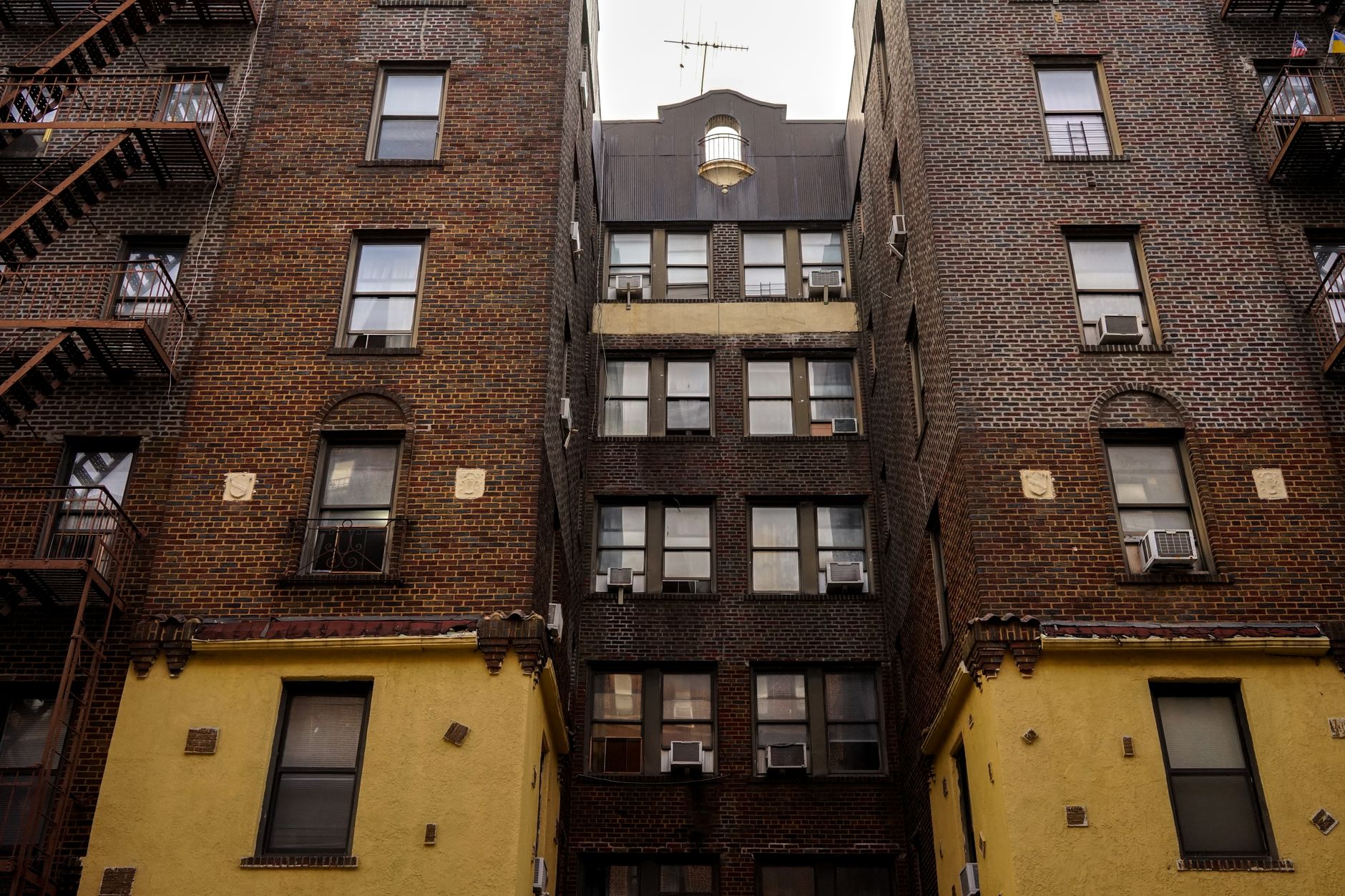
Photo by Darya Sannikova on Pexels