


























JERSEY CITY, NJ —
June 18, 2026 |
By DailyHudson Staff
Interim report details how the new administration plans to tackle the deficit without cutting core services.
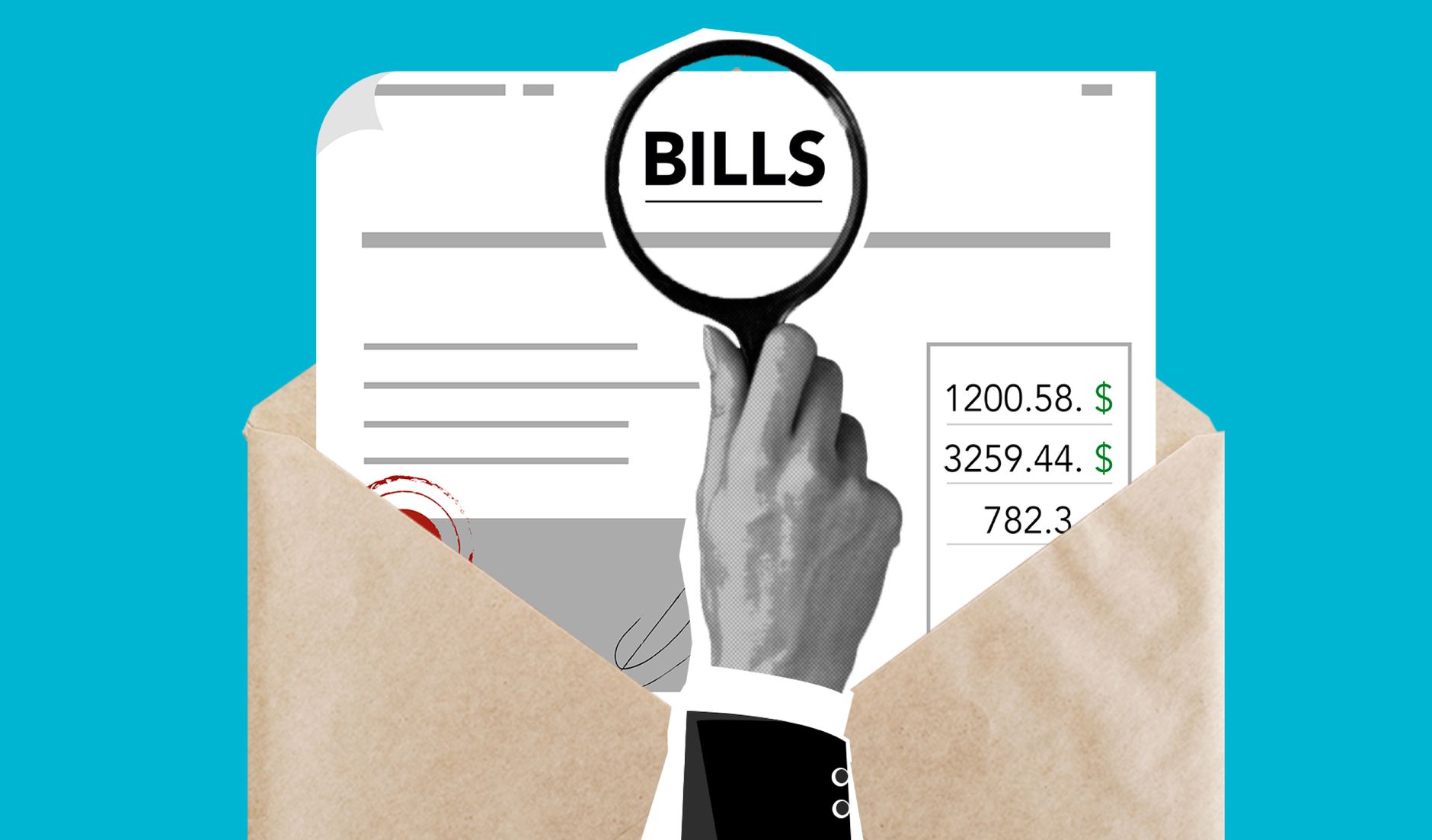
Picture this: you just got ahold of your family’s checkbook, and you find a stack of bills your spouse forgot to pay. That’s what it feels like inside City Hall right now, according to a new interim budget report released Wednesday.
The report, prepared by the administration of Mayor James Solomon, claims the city is facing $109 million in unpaid bills from the previous administration, led by now-ex Mayor Steven Fulop. That money, Solomon says, is coming straight out of your pocket.
What’s Actually in the Report
The five-page document breaks down the $109 million into two main piles. About $50 million comes from what the city calls Via—think of it like a savings account for lawsuits and emergencies—plus debt payments and other reserves that were left empty. The other $59 million comes from overspending in basic city services like healthcare and retirement costs, and from tax appeals that the previous administration paid for by borrowing money, not through the regular budget.
Solomon’s team says they have trimmed the city’s day-to-day operating budget down to $756 million, about $16 million less than last year. But once you add in those unpaid bills, the actual spending plan hits $874 million.
“This year, Jersey City residents are paying $109 million in taxes this year to cover the cost of the previous administration’s unpaid bills and abysmal fiscal management,” Solomon said in a statement. “Those are Fulop’s unpaid bills, and they are landing on Jersey City taxpayers because he hid them. This budget is our plan to pay them off, stabilize our finances, and make sure this never happens again.”
Fulop did not return a request for comment on Wednesday. Over the last few months, he has called Solomon’s earlier claim of a $250 million deficit “fugazi” but has largely stayed quiet on the specifics.
How We Got Here
Back in February, Solomon first dropped the news of a massive deficit, blaming Fulop’s 12-year tenure. That number was over $250 million. Since then, his team has been digging into every line item and contract. The main reason the deficit has shrunk to $199.6 million is that the city has canceled several high-profile projects: the Centre Pompidou x Jersey City art museum, the Liberty Science Center High School, and Via, the settlement fund. Combined, those accounted for roughly $50 million in savings.
The report also highlights other belt-tightening moves. Solomon took a $1 annual salary. Every department was told to cut spending by 10 percent. The city switched health insurance providers from Horizon Blue Cross Blue Shield to Aetna, a move that alone saves $25.8 million a year. Public safety overtime is now capped.
Beyond cutting, the city is looking for new money. The report mentions “updating construction and permit fees to reflect the true costs of service,” which basically means if a developer pays a fee to build, that fee will now cover what it actually costs the city to process and inspect the project. The city is also evaluating hotel occupancy fees, short-term rental fees (hello, Airbnb), and how much it charges other towns for bulk water sales through the Municipal Utilities Authority.
What This Means for Your Wallet
The big question most residents are asking: will my property taxes go up? The report doesn’t give a specific number yet. It says the goal is to hold any tax increase “to the lowest responsible level.” But let’s be honest—$109 million in unpaid bills has to come from somewhere. Either the city finds other revenue, gets state help, or you pay more.
Solomon says the plan is to use a mix of three things: the savings from the cuts listed above, new non-tax revenue like those higher fees, and $120 million in state aid and loans. That state aid request was originally $150 million, but they’ve scaled it back. The administration is already in discussions with Governor Phil Murphy’s—sorry, Governor Mikie Sherrill’s—office, plus the Department of Community Affairs and legislative leaders in Trenton.
If you’re a parent with a kid in Jersey City public schools, you might be wondering if this affects the classroom. Solomon’s report says the plan is to protect core services, public safety, and the city workforce. But if state aid doesn’t come through, the math gets a lot harder.
Voices from All Sides
Solomon was blunt in his statement: “$109 million dollars that is not going to run your city today.”
The report itself concludes with: “The choice before Jersey City is not whether the inherited deficit will be closed, but who absorbs the cost. The administration’s plan is designed to protect core services, public safety, and the City workforce while honoring the obligations Jersey City inherited.”
Fulop’s camp, as noted, has not offered a detailed rebuttal to this report. When reached Wednesday, he did not return a call.
What Happens Next
Here’s the timeline to watch. By June 18th, the administration plans to give the City Council a proposed tax increase number. A full budget will be presented at the council caucus on July 13th, followed by a formal presentation at the July 15th council meeting. Budget hearings will run from July 13th through July 24th. If everything stays on track, the budget gets approved by mid- to late-August. That’s when you’ll know exactly how much this cleanup costs.
In the meantime, the city is pushing hard for that state aid. If you want to weigh in, your council member’s office is a good place to start. Meetings are public, and your voice matters.
Source: Hudson County View