

























Your Go-To Guide for Getting Around West New York in 2026
Living in West New York, New Jersey, means you’re just minutes from Manhattan — but only if you know how to navigate the local transit maze. Whether you’re a daily commuter, a weekend explorer, or a new resident figuring things out, this guide covers everything you need to know about public transportation west new york NJ. From NJ Transit buses to the NY Waterway ferry, we’ll break down your options, share local tips, and help you save time and money. After all, we’re your neighbors at DailyHudson, and we want you to get where you’re going with less stress.
Why Public Transportation in West New York Is a Big Deal
West New York sits on the Hudson River waterfront, directly across from Midtown Manhattan. That prime location means thousands of residents rely on transit every day. In 2026, with new housing and more businesses popping up, the demand for reliable connections has never been higher. Many locals report that taking the bus or ferry is often faster than driving — especially during rush hour when the Lincoln Tunnel can back up for blocks. Plus, you’ll save on parking (which is notoriously scarce) and do your part for the environment.
A Quick Look at Your Main Options
- NJ Transit Buses: The workhorses of the local commute, connecting West New York to Port Authority and other Hudson County towns.
- NY Waterway Ferry: A scenic and speedy ride across the Hudson, with stops at Port Imperial and Midtown.
- Hudson-Bergen Light Rail: A short trip away in nearby towns, ideal for heading south to Jersey City or north to Hoboken.
- Jitneys and Private Shuttles: Unofficial but popular minibuses that many locals use for quick hops to the subway.
NJ Transit Buses: The Backbone of Your Commute
When most people think about public transportation west new york NJ, they picture the big blue and white NJ Transit buses. These are the most frequent and extensive option, running along Bergenline Avenue and other main streets. Routes like the 123, 158, and 159 whisk riders directly to the Port Authority Bus Terminal in Manhattan — often in under 30 minutes, depending on traffic. The buses also connect to local stops in Union City, North Bergen, and beyond.
Pro tip: During peak hours, buses can get packed. Locals recommend heading to the stop a few minutes early and having your NJ Transit app loaded with your ticket to speed up boarding. If you’re a regular, consider a monthly pass — it’s a huge money-saver compared to single tickets.
How to Pay for the Bus (It’s Easier Than Ever)
In 2026, NJ Transit has fully embraced contactless payments. You can tap your credit card, phone, or use the NJ Transit mobile app to buy tickets and show the barcode to the driver. Cash is still accepted on some routes, but many drivers prefer exact change. If you’re new to the area, we suggest downloading the app before your first ride — it also gives you real-time bus tracking, which takes the guesswork out of waiting.
The NY Waterway Ferry: A Scenic (and Smart) Alternative
For those who want to avoid traffic on the road, the NY Waterway ferry is a game-changer. The closest terminal is at Port Imperial in Weehawken, just a short bus or bike ride from West New York. In 2026, the ferry runs frequently during rush hours, crossing to Midtown in about 8-10 minutes. It’s more expensive than the bus, but many commuters swear by it for the comfort and reliability — no tunnel jams to worry about.
Here’s what you need to know about the ferry:
- Route: Port Imperial (Weehawken) to Midtown/Wall Street and other points.
- Connections: Free shuttle buses from the ferry landing to many West New York streets.
- Schedules: Check the NY Waterway app for live departures and any weather delays.
- Pricing: Slightly higher than the bus, but you’re paying for speed and views.
If you’re a bike commuter, the ferry also allows bikes on board — a big bonus. And on warm summer evenings, the skyline view is absolutely worth the extra few dollars.
Hudson-Bergen Light Rail: Your Ticket to the Rest of Hudson County
While the light rail doesn’t run directly through West New York, it’s just a short trip away in nearby towns like Union City (at Bergenline Avenue station) or Weehawken (Port Imperial station). The Hudson-Bergen Light Rail is excellent for getting to Jersey City, Hoboken, or even Bayonne. In 2026, it’s a popular option for residents who work in those areas or want to connect to PATH trains for deeper Manhattan access.
Getting to the station: You can walk, bike, or hop on a local bus that connects to the light rail. Many locals use the free shuttle service that runs between West New York and the Port Imperial station, making it easier to switch between modes. The light rail is clean, reliable, and runs from early morning to late night, so it’s a safe bet for your commute or a night out.
Jitneys: The Unofficial But Trusted Option
If you’ve lived in West New York for more than a week, you’ve probably seen the private jitney vans zipping along Bergenline Avenue. These minibuses run frequently and often follow similar routes to NJ Transit, but they’re cash-only and slightly cheaper. Many residents use them as a quick way to get to the Port Authority or to neighborhoods in Union City and North Bergen.
One word of caution: jitneys are not officially regulated, so routes and safety can vary. Locals recommend using them during the day and sticking to licensed operators (look for a visible ID or permit). They’re a great backup if you miss the regular bus, but for daily commuting, most people stick with NJ Transit for reliability.
Making Your Commute Smarter: Tips from Longtime Locals
After years of navigating the system, West New York residents have learned a few tricks. Here’s a numbered list of tips to help you save time and money in 2026:
- Use the NJ Transit app: Real-time tracking, mobile tickets, and service alerts all in one place.
- Plan for rush hour: Buses and ferries fill up fast between 7-9 AM and 5-7 PM. Leave a few minutes early.
- Consider a multi-modal pass: Some monthly passes combine bus and light rail, which can be cheaper than buying separate tickets.
- Bike or walk to the ferry: It’s often faster than waiting for a shuttle, especially in nice weather.
- Check for service changes: NJ Transit occasionally adjusts schedules; a quick look at Twitter or the app can save you a long wait.
- Keep cash for jitneys: Even though they’re informal, they often don’t accept cards, so having a few dollars in your pocket comes in handy.
Cost Comparison: What Will You Spend in 2026?
Let’s be real — money matters. As of 2026, a single NJ Transit bus ride to Manhattan costs around $3.50, while a monthly pass is roughly $120-130. The ferry is pricier: singles run about $9-10, and monthly passes hover around $250-300. Jitneys are usually $2-3 per ride, but they add up if you use them daily. Locals often mix and match: bus in the morning, ferry on nights when you want to enjoy the view.
One hidden gem is the NJ Transit reduced fare program for seniors, disabled riders, and students. If you qualify, you can save up to 50% on bus and light rail tickets. Check the NJ Transit website for eligibility forms — many people don’t realize they can apply.
Frequently Asked Questions
What is the best way to get from West New York to Manhattan?
The most popular options are the NJ Transit bus to Port Authority (fast and affordable) or the NY Waterway ferry from Port Imperial (scenic and reliable). You can also take a bus to the PATH at Hoboken or 33rd Street.
How much does public transportation in West New York cost?
As of 2026, NJ Transit bus single rides are around $3.50, monthly passes are $120-130, and the ferry costs about $9-10 per trip. Jitneys are cheaper (about $2-3) but less predictable.
Does the Hudson-Bergen Light Rail stop near West New York?
Yes, the nearest stations are at Bergenline Avenue (in Union City) and Port Imperial (in Weehawken). You can connect via local buses, shuttles, or by walking/biking.
Are there any discounts for students or seniors?
Absolutely. NJ Transit offers reduced fares for seniors (62+), customers with disabilities, and eligible students. You need to apply for a reduced fare card, which you can do through the NJ Transit website or at their office in Newark.
Is the ferry worth the extra cost?
Many locals say yes, especially if you value a stress-free commute and a beautiful skyline view. It’s also faster during heavy traffic. But if you’re on a budget, the bus is still a great choice.
Wrapping Up: Your Journey Starts Here
Getting around West New York doesn’t have to be a headache. With a mix of buses, ferries, light rail, and jitneys, you have plenty of solid choices for commuting to work, exploring the city, or just running errands. The key is to plan ahead, take advantage of technology, and find the combination that fits your lifestyle and budget.
At DailyHudson, we’re committed to helping you live better in Hudson County. Whether it’s transit guides, local events, or neighborhood news, we’ve got you covered. So next time you step out your door, take a deep breath — your commute is about to get a whole lot easier.
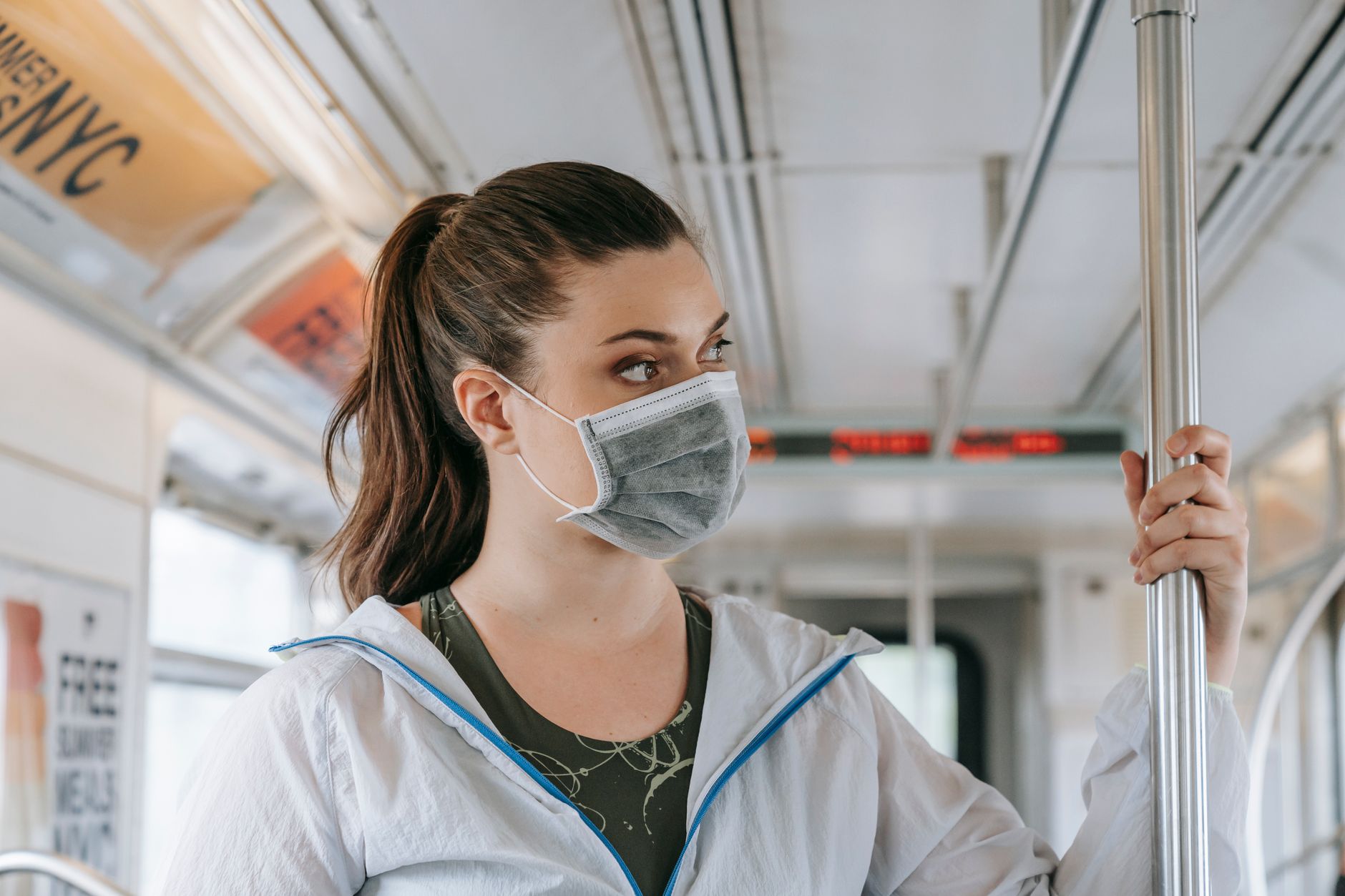
Photo by Liliana Drew on Pexels