




























JERSEY CITY, NJ —
September 09, 2026 |
By DailyHudson Staff
As neighborhoods fill with new apartments, classrooms are bursting, and no new schools are on the horizon.
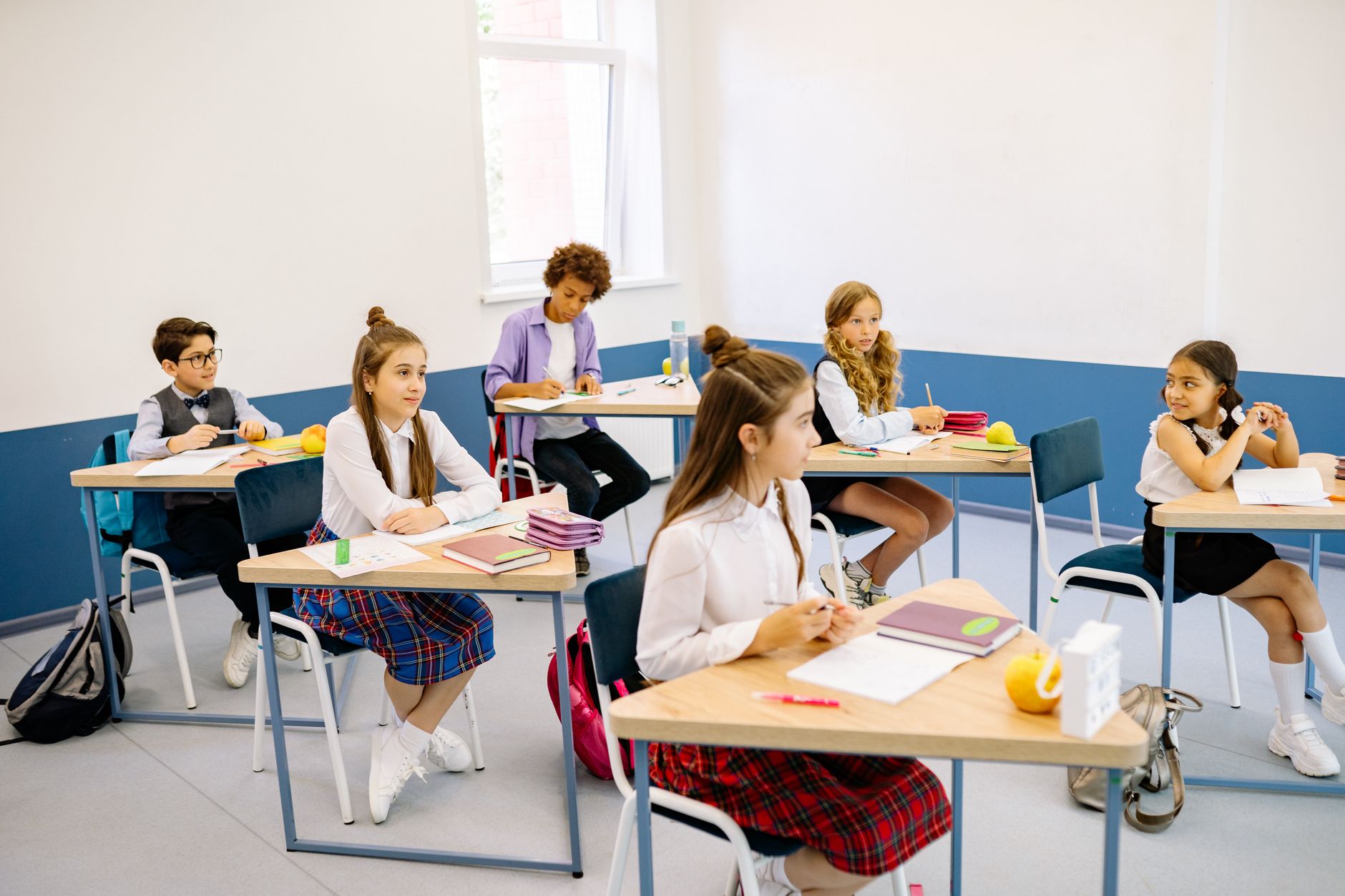
The morning rush at P.S. 16 looks different than it did a decade ago. Parents double-park SUVs outside the brick schoolhouse, toddlers in strollers, older kids clutching backpacks. Inside, the halls are tighter. Classrooms that held 25 kids now squeeze in 35, sometimes 40. The school is at double its capacity, and it’s not alone.
Jersey City has been building like crazy for years. Cranes dot the skyline. Luxury towers line the waterfront. Since 2013, the city added roughly 45,000 new homes. In that same period, it added 13 classrooms. Let that sink in: 45,000 units, 13 classrooms. That’s not a typo.
The gap between where people live and where kids learn has become one of the most pressing issues in Hudson County, and yet it barely registers in public debate. The question is simple: where are the schools?
A System at Its Breaking Point
P.S. 16, serving the waterfront, was recently ranked one of the best elementary schools in New Jersey. It’s also one of the most crowded. This fall, some classes will have 40 kids. That’s not a typo either. Across downtown, elementary schools are bulging. A small annex at Washington and Columbus, built by a developer to ease crowding, hit 250% of its intended capacity the day it opened in 2021.
Preschoolers have been bused since 2018 to a building dating back to 1900, and that building is now over capacity. Starting this year, some 4-year-olds will get bused to three additional schools. For parents, that means longer rides and earlier wake-ups for children who can barely tie their shoes. For teachers, it means fewer desks per room, more time managing chaos, less time teaching.
How Did We Get Here?
The boom didn’t happen by accident. Under former Mayor Steve Fulop, developers got tax breaks and zoning changes that led to a wave of residential construction. But schools were left out of the conversation. Jersey City’s master plan barely mentions education. The district’s Long Range Facilities Plan is out of date.
The state hasn’t helped. New Jersey’s School Development Authority, which funds school construction, has been slow and underfunded. Urban districts across the state are struggling, but Jersey City’s growth has made the problem acute. There has been no political will, at the local or state level, to tie real estate development to educational need. As one community member put it recently, “Developers can build, and taxpayers hand them breaks, but schools? Crickets.”
There are two ways to get school space in Jersey City. The traditional route: the state’s SDA coordinates with the district on funding and construction. That’s slow, especially now with resources scarce. The other route: private-public partnerships, where a developer trades space for approvals. That’s how the P.S. 16 annex got built. In 2020, a similar deal was announced for another downtown school. Headlines cheered it. Then, in 2022, the developer backed out after the former mayor changed the agreement. Years lost.
What This Means for Your Family
If you live in the Heights, Greenville, or Journal Square, you might not feel the pinch yet. But the waterfront and downtown are ground zero. At least 10,000 more units are planned there in the next few years. Where will the kids go?
Right now, there are exactly zero classrooms in planning or construction near the waterfront or downtown. Zero. That means more busing, more portables, more crowded rooms. For parents, it means longer waits for school tours, harder fights for spots in good programs, and an uneasy feeling when you drop your kid off at a school that feels like a sardine can.
It also hits teachers. Classrooms of 35 or 40 are exhausting. Teachers burn out, leave, and the district struggles to fill vacancies. That hurts everyone—even families without kids in the system.
But here’s a hard truth: too many residents see “education” and think “tax bill.” The cost of fixing this will come out of somebody’s pocket. But the cost of ignoring it is steeper. We’re already seeing it in crowded schools, aging buildings, and a system that’s gasping for air.
Voices From the Community
Patrick Carr, the author behind the analysis that’s been circulating in local Facebook groups, puts it bluntly: “The public schools serve the city, all of it. If the city grows, the schools need to grow with it. Right now they’re not.” He notes that most Jersey City schools are 95 to 130 years old, built for an education system that served a fraction of the population. “These buildings show their age, and they’re only getting older and more crowded.”
City officials have acknowledged the pressure but point to limited state funding. State education officials, meanwhile, say the district needs to update its long-range plan before requesting more money. No one is saying it’s easy. But no one is saying it’s impossible.
What You Can Actually Do
The good news: you don’t need to be a policy wonk to make a difference. Board of Education elections are coming up in November. Learn the candidates. Ask them, point blank: What’s your plan for school capacity?
When the city asks for community input on new development plans—and it will—show up and ask the question that matters: Where are the schools?
The cranes are still up. The towers are still going up. But the schools aren’t coming up. It’s time to make some noise.
Source: Jersey Digs