





























JERSEY CITY, NJ —
September 14, 2026 |
By DailyHudson Staff
A proposed grant program would give all 12 municipalities funding to trap, neuter, and release community cats—a humane approach that supporters say actually works.
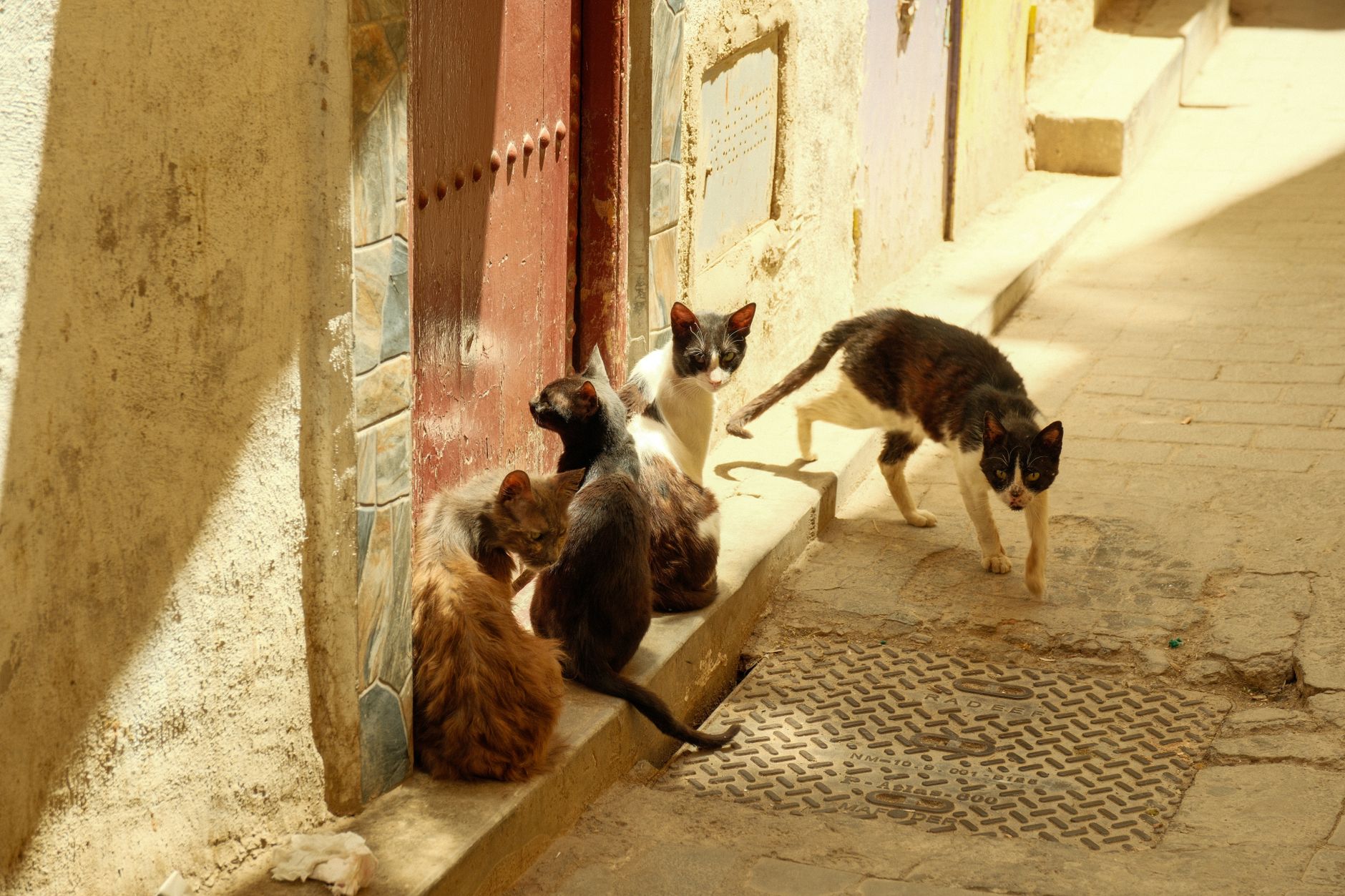
On a cold morning in North Bergen, a retired schoolteacher named Maria sets out a bowl of kibble behind the library. She’s been feeding the same three cats for two years. She knows their faces, their habits, their scars. She also knows there were seven last spring.
That’s the reality of feral cats in Hudson County. They multiply quietly—in back alleys, under boardwalks, behind restaurants—until one day a colony of three becomes a colony of fifteen. And until now, most towns have had little money or strategy to deal with it.
That could change. Hudson County Executive Craig Guy and the Board of Commissioners have unveiled a proposed resolution to create a Trap-Neuter-Release grant program open to all 12 municipalities. The program would fund local efforts to humanely trap feral cats, sterilize them, and return them to their colonies, where they no longer breed. It’s a method that’s been used for decades in other parts of the country and is endorsed by major animal welfare groups.
“Although Hudson County has not historically been involved with animal care and control, I know that dealing with feral cat colonies has been a vexing challenge for our towns and cities,” Guy said in a statement. “The fact is that where Trap-Neuter-Release has been employed, there has been a marked reduction in feral cat colonies and their associated troubles. TNR is a common sense initiative, and I am dedicated to making it a reality.”
The resolution is the first step. If approved, it would direct county staff to draft the specifics—how much money each town gets, what the application process looks like, and how success is measured. No dollar amount has been announced yet.
Why TNR?
For years, many towns relied on catch-and-kill. But that approach rarely works. When you remove a group of cats, new ones move in to fill the void. It’s called the vacuum effect. TNR stops the cycle. Cats are trapped, vaccinated, spayed or neutered, and returned. They keep their territory, so no new cats move in. Over time, the colony shrinks naturally as older cats die and no kittens are born.
“It’s not just about being kind,” said a longtime volunteer with a Jersey City rescue group who asked not to be named because she works with multiple municipalities. “It’s about being effective. You can’t kill your way out of this problem. You have to stop the breeding.”
Hudson County has one of the densest feral cat populations in New Jersey, according to animal control officers. The reasons are simple: dense housing, abundant food sources, and a mild climate. A single unspayed female can produce dozens of kittens in just a few years.
The county’s move comes after years of pressure from residents and local animal advocates, who have been calling for a coordinated approach. Right now, each town handles feral cats differently. Some have active TNR programs run by volunteers. Others have nothing at all. The grant program would level the playing field.
For people like Maria, the North Bergen feeder, it means hope. She’s spent hundreds of her own dollars on vet bills. She’s not alone. Across the county, volunteers have been quietly doing this work—often without recognition, sometimes without permission. A county grant could give them legitimacy and resources.
But it’s not just about the cats. Feral cats can carry diseases, and their waste can be a nuisance. When colonies are managed, those problems shrink. Towns save money on animal control. Shelters aren’t overwhelmed with kittens. It’s a quality-of-life issue.
Not everyone is convinced. Some residents worry that TNR just means more cats, not fewer. But the science is clear: when done consistently, TNR reduces colony size over time. The key is consistency. That’s where government funding helps.
“This is a big deal,” said Commissioner Anthony Romano, who represents District 6, which includes Hoboken and Jersey City. “It’s a recognition that this is a regional problem that needs a regional solution.”
Other commissioners have expressed support, though the details still need to be worked out. The resolution is expected to be voted on at an upcoming meeting. If it passes, the county will work with municipalities to design the grant program. Residents who want to weigh in can attend the next Board of Commissioners meeting or contact their commissioner directly.
For now, Maria will keep feeding her cats. But she’s already thinking about what a grant could mean—maybe a trap, maybe a voucher for a spay surgery. Small things that add up to fewer kittens next spring.
To learn more or to get involved, reach out to your local animal control office or a rescue group like People for Animals or Companion Animal Trust. The county’s proposal is a start, but it’s the people on the ground who make it work.
Source: River View Observer