




























If you’re thinking about moving to Jersey City, New Jersey, one of the first questions on your mind is probably: “How much does it actually cost to rent here in 2026?” As a Hudson County local, I’ll give you the honest, up-to-date picture—without the fluff or scary headlines. Whether you’re a first-time renter, relocating from NYC, or just curious about the market, this guide breaks down the rent cost jersey city 2026 in a way that actually helps.
Why Jersey City? A Quick Snapshot
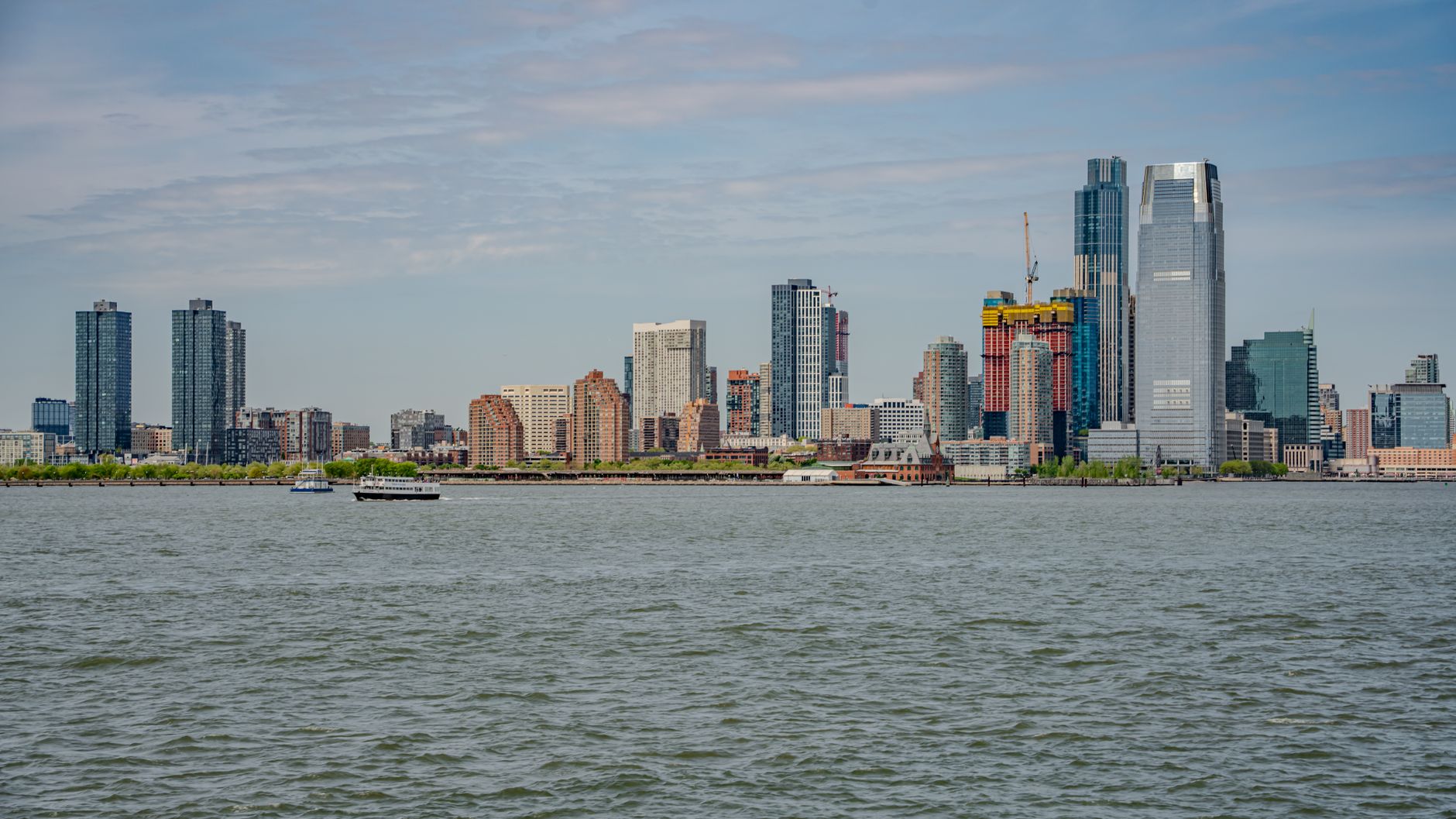
Sitting right across the Hudson River from Manhattan, Jersey City has become a magnet for people who want city life without the Manhattan price tag. You’ve got the PATH trains, ferry options, and a skyline that rivals any big city. But what really matters to renters are the numbers. In the last few years, the rental market here has seen steady growth, and 2026 is no exception.
According to local residents and real estate watchers, rents have climbed slightly, but they still manage to be more approachable than what you’d pay across the river. If you’re used to NYC prices, you’ll find a welcome relief here—but it’s not cheap by any means.
Average Rent in Jersey City: The Baseline Numbers for 2026
Let’s get into the meat. As of early 2026, here’s what you can expect to pay per month for a typical apartment (based on listings and local buzz, not official statistics):
- Studio: $1,800 – $2,300
- One-bedroom: $2,200 – $2,900
- Two-bedroom: $3,000 – $4,200
- Three-bedroom: $4,000 – $5,500+
Keep in mind that these are ballpark figures. The final price depends on the neighborhood, the age of the building, amenities, and how close you are to transit. If you’re on a budget, you can still find older walk-up buildings in certain areas that are a bit more affordable.
Neighborhood Breakdown: Where to Look Based on Budget
Jersey City is a patchwork of neighborhoods, each with its own vibe and price point. Here’s a quick tour:
- Downtown (JSQ to the Waterfront): The glitzy high-rise district. Expect sky-high rents and incredible amenity packages—think gyms, pools, and doormen. A one-bedroom here can easily top $3,000.
- Journal Square (JSQ): A bustling hub with more reasonable prices. You’ll find older buildings and some rentals with character. A one-bedroom goes for around $2,200-$2,600.
- Greenville: One of the more affordable areas, with rents for one-bedrooms starting near $1,800. It’s a bit farther from the PATH, but there are bus connections.
- The Heights: Great views and a suburban feel. Rentals here are a mix of renovated homes and classic brownstones. One-bedrooms run from $2,000 to $2,700.
- Bergen-Lafayette: An up-and-coming area with lots of redevelopment. One-bedrooms are around $2,200 and up, but you’ll get more space for your money.
How the 2026 Rental Market Compares to Previous Years
If you’re wondering whether rents have gone up, the answer is a gentle “yes.” Many locals report that the market saw a small bump of about 5-8% compared to 2024 and 2025. That doesn’t mean you should panic; it just means you should budget a little more.
One positive trend in 2026 is that more landlords are including utilities or offering one month free if you sign a longer lease. If you’re flexible, you can score a decent deal.
Hidden Costs That Can Increase Your Rent
Before you sign a lease, make sure you know the full picture. The rent sticker price isn’t the only number you need to watch. Here are some extras to ask about:
- Broker’s fee: In Jersey City, it’s not uncommon for renters to pay a broker fee equal to one month’s rent. Some brokers charge less, but be prepared.
- Application fees: Usually around $50–$150 per person.
- Utilities: Heat, hot water, and electricity may or may not be included. Ask upfront.
- Parking: If you drive, a parking spot can cost an extra $150–$300 per month.
- Security deposit: Often equal to one month’s rent, but some buildings ask for more.
- Pet rent: Many buildings charge an extra $50–$100 per month for pets.
Start adding these up, and you might find the rent cost jersey city 2026 is a bit more than the monthly rent alone. My advice? Always get a written breakdown of the total move-in cost before you commit.
5 Money-Saving Tips for Renters in Jersey City
- Shop in the winter: Demand drops, and some landlords are willing to negotiate to fill vacancies.
- Look for rent-stabilized buildings: Some older buildings have rent control or stabilization, but you have to hunt for them. They often require you to contact the building directly or look at local housing listings.
- Find a roommate: Splitting a two-bedroom often brings your share down to $1,500–$2,100, which is a steal for the area.
- Use local social media groups: Residents often post available units that never hit the big listing sites. This can save you from broker fees.
- Negotiate: If you have a good credit score and stable income, you can sometimes ask for a lower rent or a free month. It doesn’t hurt to try!
Why the Rent is Worth It (Sometimes)
Yes, rents are high, but you’re paying for convenience. Imagine a 10-minute walk to the PATH, and then being in Manhattan’s West Village just 20 minutes later. That time savings is worth something to a lot of people.
Plus, Jersey City has its own food scene, parks, and a growing arts culture. You get that neighborhood feel without the isolation of the suburbs. For many renters, the trade-off is definitely worth it.
Frequently Asked Questions
Is the rent in Jersey City really cheaper than in NYC?
Yes, generally. You can save anywhere from $200 to $800 per month on a comparable one-bedroom, depending on the neighborhood. However, factor in your commuting costs—those can add up quickly.
Do I need a broker to rent in Jersey City?
No, but many rental listings are posted by brokers. If you’re comfortable searching on your own through online listings, buildings’ direct websites, or local Facebook groups, you can avoid paying a broker fee.
What is the best month to find a cheap apartment in Jersey City?
Most locals agree that January through March is the sweet spot. Weather scares off some people, but landlords want to fill empty units. You’ll have more room to negotiate.
Can I afford a one-bedroom with a $50,000 annual salary?
It’s tight. With a one-bedroom averaging $2,500, you’d need a monthly gross income of around $8,300 to meet the 3x rent requirement that most landlords use. You might find a studio or a shared apartment instead.
Does rent include utilities in Jersey City?
It varies widely. Some luxury buildings include water and trash, but residents usually pay for heat, electricity, and internet. Always read your lease carefully and ask the landlord.
Final Thoughts from DailyHudson
Renting in Jersey City in 2026 is an adventure. It’s not cheap, but with careful planning, you can find a place that fits your budget and lifestyle. The key is doing your homework, visiting neighborhoods, and asking the right questions.
At DailyHudson, we’re here to help you navigate Hudson County living. Stay tuned for more updates on the local market, and don’t hesitate to reach out if you have specific questions. Happy apartment hunting! We’ll keep tracking the rent cost jersey city 2026 so you always have the info you need.
Photo by Andres Figueroa on Pexels