




























Is Newark Safe? A Complete Neighborhood Safety Guide for 2026
If you’re considering a move to Newark or just planning a visit, you’ve probably asked yourself: is Newark safe? It’s one of the most common questions locals hear from newcomers. The short answer is that Newark, like any major city, has safe neighborhoods and areas where extra caution is wise. As of 2026, Newark has seen significant improvements in public safety, community policing, and neighborhood revitalization. This guide breaks down what you need to know about safety in Newark, New Jersey, neighborhood by neighborhood.
Understanding Newark’s Safety Landscape in 2026
Newark is a city of contrasts. It’s home to Rutgers University, the New Jersey Performing Arts Center (NJPAC), and a growing downtown scene. At the same time, some areas still face challenges with property crime and occasional violent incidents. According to local residents and recent reports, Newark’s overall crime rate has been trending downward over the past few years, thanks in part to community initiatives and increased investment in public spaces.
Violent Crime vs. Property Crime
When asking is Newark safe, it helps to separate violent crime from property crime. Violent crime, including assault and robbery, is more concentrated in certain areas, often West of downtown. Property crime—like theft from vehicles, package theft, and burglary—is more widespread. Many locals say that being aware of your surroundings and locking your car doors can prevent most problems.
Newark’s Safest Neighborhoods: Where to Live or Visit
Each neighborhood has its own character and safety profile. Here are some areas that residents often mention as safe and welcoming.
Downtown Newark
Downtown is the heart of Newark: busy with commuters, students, and office workers. With a strong police presence and well-lit streets, it feels safe during the day. The area around Military Park and the Prudential Center is especially active and monitored. Property crime can occur, but violent crime is rare here.
Forest Hill
Forest Hill is a historic, leafy neighborhood with grand homes and a strong sense of community. It has one of the lowest crime rates in the city. Many families and professionals choose Forest Hill for its quiet streets and proximity to Branch Brook Park.
University Heights
Home to Rutgers-Newark, NJIT, and Seton Hall Law, this area is filled with students and campus security. It’s generally safe, though you’ll want to stay alert late at night, as in any urban area. The university patrols contribute to a safer environment.
Harrison (Kearny)
While technically outside Newark city limits, the nearby town of Harrison is often lumped into safety discussions. It has a lower crime rate and offers easy access to Newark via PATH train.
Neighborhoods Where Caution is Advised
No city is perfect. Some areas of Newark still struggle with higher crime rates. Being informed helps you navigate safely.
- South Ward (Weequahic area): This area has seen periods of higher crime, including street-level drug activity and occasional shootings. It’s best to be cautious, especially after dark.
- Central Ward (near Springfield Avenue): Some pockets near Springfield Avenue have higher rates of property crime and robbery. Locals recommend avoiding quiet side streets late at night.
- West Ward (near Elizabeth Avenue): While revitalization is happening, parts of the West Ward still face challenges with gang-related activity. Stick to main streets and well-traveled areas.
Safety Tips for Living and Visiting Newark
Whether you’re moving in or just passing through, these tips will help you stay safe.
- Stay aware of your surroundings: Avoid using headphones while walking, especially at night. Keep your phone tucked away.
- Use ride-shares or public transit after dark: Newark’s PATH trains and NJ Transit buses are generally safe, but waiting alone at a stop late at night is not recommended.
- Lock your car: Property crime includes theft from vehicles. Never leave valuables visible.
- Choose well-lit areas: When walking, stick to main streets like Broad Street, Market Street, and University Avenue.
- Get to know your neighbors: Community connections make any neighborhood safer. Join local Facebook groups or neighborhood watches.
How Newark Compares to Other Cities
When people ask is Newark safe, they often compare it to other cities in the region. Newark’s crime rate is higher than suburban towns like Montclair or Maplewood, but it is comparable to cities like Jersey City or Philadelphia. Many locals point out that Newark’s reputation lags behind its current reality. The downtown area, in particular, has seen a safety renaissance in the past decade.
Community Policing and Local Initiatives
The Newark Police Department has implemented community policing programs that emphasize building trust. Regular neighborhood meetings, youth outreach, and a dedicated downtown safety unit have made a difference. Local nonprofits like the Newark Community Development Corporation also work to improve safety through lighting, cleanup, and after-school programs.
Frequently Asked Questions
Is Newark safe for tourists in 2026?
Yes, especially in the downtown area near the Prudential Center, NJPAC, and Military Park. Stick to well-trafficked areas and avoid walking alone late at night. Many visitors report feeling safe during events and daytime exploring.
Is Newark safe for families?
Yes, but it depends on the neighborhood. Forest Hill and University Heights are popular with families. Many families also choose nearby suburbs like South Orange or Maplewood while still enjoying Newark’s amenities.
What is the safest neighborhood in Newark?
Forest Hill is consistently mentioned as the safest neighborhood in Newark. It has low crime rates, beautiful parks, and a strong community feel.
How has crime changed in Newark recently?
According to local reports, overall crime in Newark has trended downward since 2020, with notable drops in violent crime. Property crime remains a concern, but the city’s efforts in community policing have been effective.
Is it safe to walk around Newark at night?
It depends on the area. Downtown and near the universities are generally okay with caution, but you should avoid walking alone in less busy neighborhoods. Ride-shares are the recommended option after dark.
Conclusion
So, is Newark safe? The answer is nuanced, but increasingly positive. With safe neighborhoods like Forest Hill and a vibrant downtown, Newark is a city on the rise. Like any urban area, staying informed and aware is key. For more local insights and updates on Newark’s evolving safety landscape, keep reading DailyHudson — your trusted guide to Hudson County living.
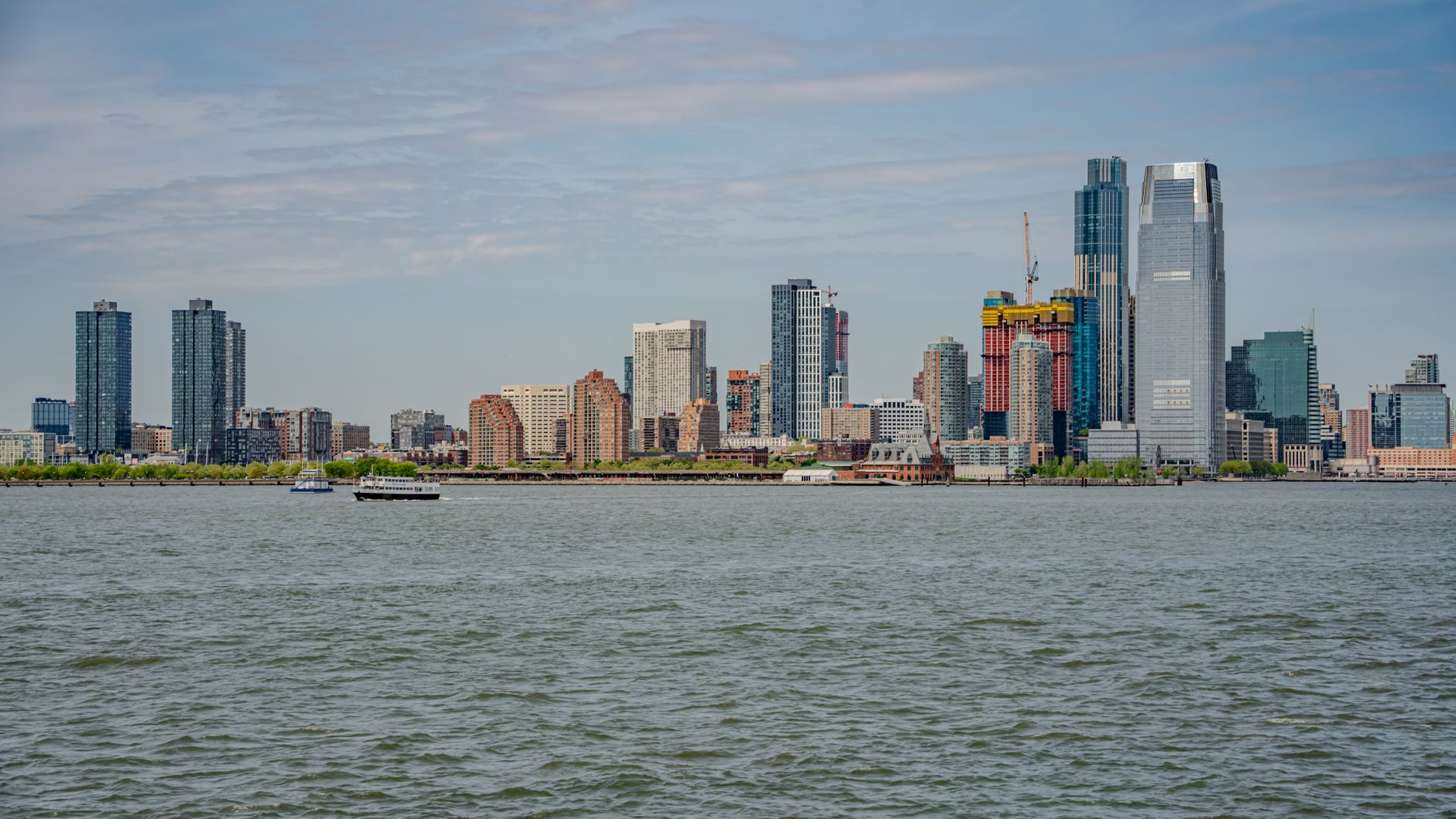
Photo by Andres Figueroa on Pexels