































Introduction: What Does It Cost to Live in Bayonne in 2026?
If you’re considering a move to Bayonne, New Jersey, or already live here but are wondering if your income matches your expenses, you’re not alone. Hudson County has seen steady growth, and Bayonne is a big part of that story. The question on everyone’s mind: what is the salary to live in Bayonne comfortably in 2026? In this guide, we’ll break down housing, utilities, food, transportation, and more so you can plan your budget with confidence.
Average Cost of Living in Bayonne
Housing Costs: Rent and Home Prices
Housing is by far the biggest line item. As of early 2026, the median rent for a one-bedroom apartment in Bayonne is around $1,800 to $2,200 per month, depending on the neighborhood and amenities. A two-bedroom can run $2,400 to $3,000. For homebuyers, the median home price is hovering around $425,000, according to local real estate agents. This means that the salary to live in bayonne needs to cover housing at roughly 30% of gross income, which is the standard affordability guideline.
Utilities and Internet
Utility bills (electric, gas, water, trash) for a typical apartment average $150–$220 per month. Add internet and cable, and you’re looking at another $80–$120. Many locals report that winters can drive up heating costs, so budgeting a little extra December through February is wise.
Transportation
Bayonne is well-connected by the Hudson-Bergen Light Rail, PATH trains (via Journal Square or Exchange Place), and several bus lines. A monthly NJ Transit pass costs about $110–$130 for local service. If you drive, factor in parking permits (many neighborhoods require them), insurance, gas, and potential tolls. Car owners often spend $250–$400 per month all in.
Groceries and Dining
Groceries for a single person run $300–$450 per month. A couple can expect $500–$700. Eating out adds up quickly: a casual dinner for two at a mid-range restaurant is $60–$90 with tip. Many Bayonne residents enjoy local bakeries and pizzerias, which can be more affordable than sit-down spots.
Healthcare and Insurance
Health insurance premiums vary widely based on employer coverage. If you buy on the marketplace, expect $400–$700 per month for an individual plan. Copays, deductibles, and prescriptions add further costs. A good rule is to budget $200–$400 per month for out-of-pocket medical expenses if you have decent insurance.
What Is the Minimum Salary to Live in Bayonne in 2026?
Here’s a breakdown for different household types. These numbers assume a standard budget that includes housing, utilities, food, transportation, insurance, and some savings — but not luxury spending.
Single Person Living Alone
- Rent (1-bedroom): $2,000
- Utilities + Internet: $250
- Food: $400
- Transportation: $150
- Health Insurance: $500
- Other essentials (phone, toiletries, etc.): $200
- Savings / Miscellaneous: $300
Total monthly need: ~$3,800
To cover this, a single person should earn at least $55,000–$60,000 per year after taxes. That means a gross salary of around $70,000–$75,000 depending on deductions. That’s the minimum salary to live in Bayonne comfortably as a single.
Couples (Dual Income, No Kids)
Two incomes make a big difference. Combined, a couple earning $100,000 gross annually (say $50k each) can afford a two-bedroom apartment, go out occasionally, and save a bit. If they earn less, they might need a one-bedroom or consider a roommate situation.
Families with Children
A family of four needs significantly more. With childcare costs averaging $1,200–$1,800 per month (for one child, center-based), plus larger housing, food, and activities, a household income of $120,000–$150,000 is realistic for a comfortable lifestyle. Many Bayonne families find that one parent staying home or working part-time is a financial strain unless the other earner brings in $100k+.
Top Tips for Affording Bayonne on a Lower Salary
- Consider a roommate or shared living situation – Rents drop dramatically when splitting costs.
- Use the Light Rail instead of a car – You can save $200–$400 per month on transportation.
- Cook at home more often – Bayonne has excellent grocery stores and farmers markets in season.
- Look for rent-stabilized apartments – Some older buildings offer lower, more predictable rent increases.
- Take advantage of community resources – Bayonne Public Library, local parks, and free events can greatly reduce entertainment costs.
How This Compares to Other Hudson County Towns
Bayonne is generally more affordable than Jersey City or Hoboken but slightly pricier than Kearny or Harrison. The trade-off is that you get a quieter, more suburban feel with great transit access. The salary to live in bayonne is therefore a bit lower than what you’d need in Jersey City for the same quality of life, making it a solid choice for people who work in Manhattan or downtown Jersey City.
Frequently Asked Questions
Is Bayonne expensive to live in 2026?
Bayonne is moderately expensive compared to the national average but more affordable than many Hudson County neighbors. A single person needs about $70,000 gross to live comfortably.
What is a livable salary in Bayonne, NJ?
For a single person, a livable gross salary is around $70,000–$75,000 per year. For a family of four, $120,000 or more is recommended.
Can you live in Bayonne on $50,000 a year?
It’s challenging but possible if you have a roommate, no car, and a tight budget. You’d likely need to allocate more than 30% of your income to rent.
How much does it cost to rent an apartment in Bayonne in 2026?
One-bedrooms average $1,800–$2,200 per month, and two-bedrooms range from $2,400 to $3,000. Prices vary by location and amenities.
Is Bayonne a good place to live for commuters?
Yes. The Light Rail connects to PATH trains, making it easy to reach Manhattan, Jersey City, and Newark. Commute times to Midtown run about 45–60 minutes.
Final Thoughts from DailyHudson
Understanding the salary to live in bayonne is key to making smart financial decisions, whether you’re moving here or rethinking your budget. Bayonne offers a wonderful quality of life with great schools, parks, and a strong community vibe. If you’re planning a move, don’t forget to factor in all the costs we’ve covered. DailyHudson is your go-to source for local insights, so keep checking back for more guides on life in Hudson County.
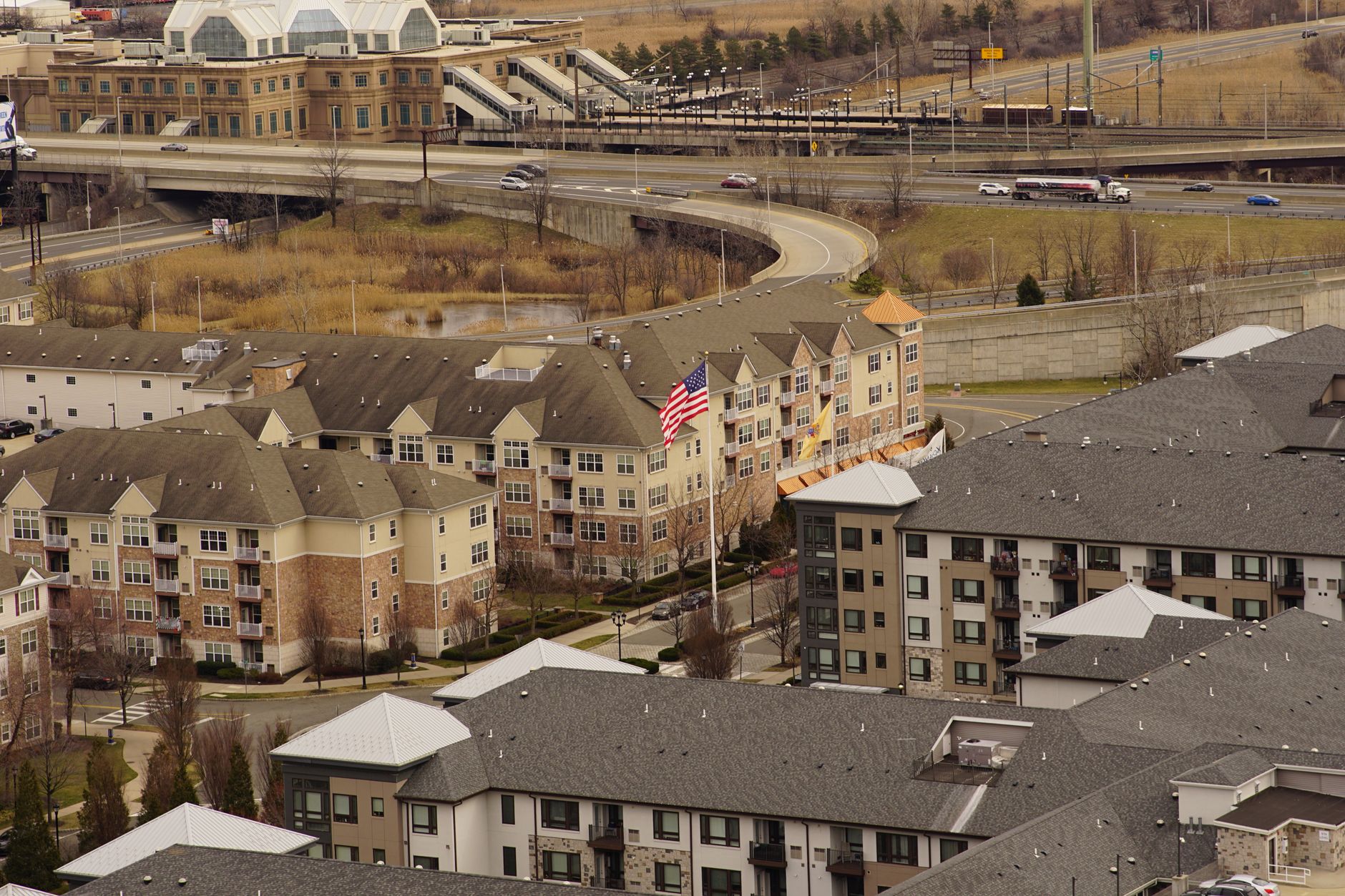
Photo by Illya Goloborodko on Pexels