


JERSEY CITY, NJ —
July 13, 2026 |
By DailyHudson Staff
Local nonprofits and resale shops offer ways to keep garments out of landfills and help neighbors in need.
You’re staring at that bag of clothes you finally cleared from the closet. Maybe it’s sweaters you never wear, jeans that don’t fit anymore, or winter coats your kids outgrew. Now comes the question: Where do they actually do some good?
Jersey City has a handful of solid options—places that take your old clothes and put them in the hands of people who need them, or sell them to fund programs that matter. The key is knowing which ones fit what you’re giving.
What’s Available
Several organizations around the city accept clothing donations. Some serve families and people experiencing homelessness directly. Others run resale shops where proceeds support their missions. A few work with school programs.
Here’s a quick breakdown:
- Nonprofits serving families in need – Places like the Community FoodBank of New Jersey or local shelters take clean, gently used clothing for distribution.
- Thrift stores with a mission – Shops like Goodwill or Salvation Army sell donated items and use the money for job training and other services.
- School-based drives – Some Jersey City schools collect clothes for families within the district or for partner organizations.
Most organizations prefer that you call ahead or check their website. Hours can change, and some have specific guidelines about what they accept.
How We Got Here
Clothing donations have been a part of Jersey City’s community fabric for decades. But the options have shifted. The city’s growing population and rising rents have put pressure on nonprofits, many of which now operate with tighter budgets and fewer staff. That means they rely even more on donations—and on donors who follow the rules.
Meanwhile, fast fashion has flooded the market with cheap clothes that often end up in landfills. According to the EPA, textiles make up more than 5% of landfill waste nationwide. Donating locally keeps that fabric out of the dump and puts it back into circulation.
What It Means for You
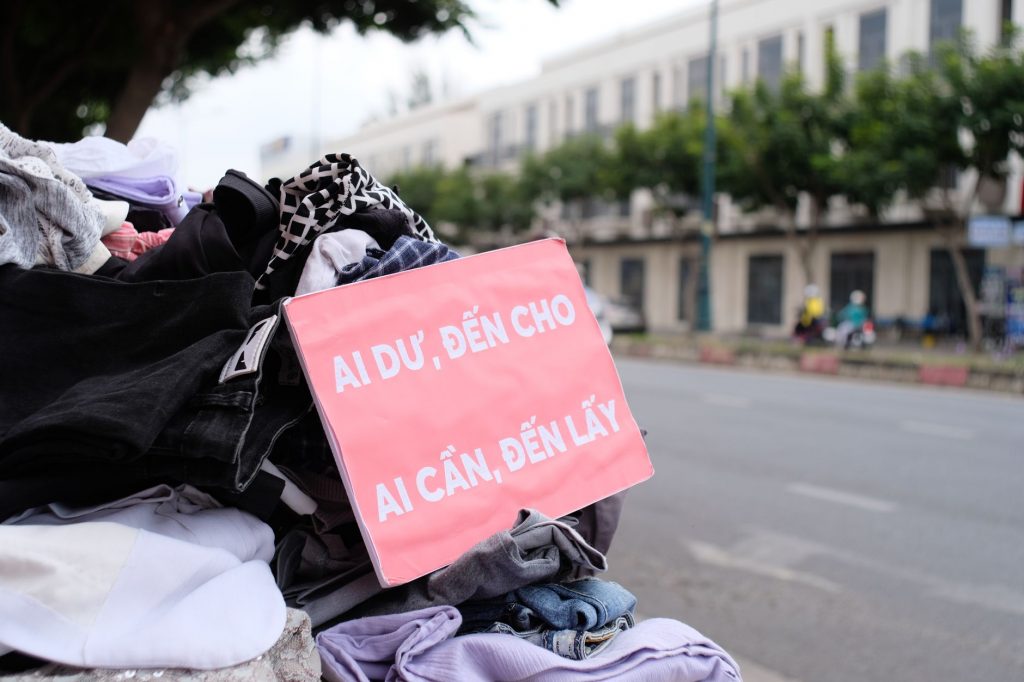
For the average Jersey City resident, giving clothes is one of the simplest ways to help. A pair of worn-in boots can keep someone warm through winter. A set of professional clothes can help a person land a job interview.
But there are a few things to keep in mind. Not all organizations take everything. Some, like shelters, only want clean, gently used items. Others, like thrift stores, accept almost any clothing but prefer it’s in sellable condition. Wet or stained clothes often get trashed, which defeats the purpose.
So before you drop off that bag, check the guidelines. A quick phone call or a glance at their website saves everyone time and effort.
What People Are Saying
“We get people coming in with bags of clothes every week,” one local nonprofit staffer told Jersey City Times. “The ones that are clean and wearable—those are gold. They go out the same day sometimes.”
Another thrift store manager noted that donations have dipped recently, likely because of inflation. “People are holding onto their clothes longer,” she said. “But when they do give, it makes a difference.”
Both emphasized that cash donations are always welcome too—but clothes are the most direct way to help.
What Comes Next
If you’re ready to clear out that closet, start by picking an organization that aligns with what you’re giving. Call or check their website for drop-off hours. Some offer pickup for larger donations.
Keep an eye out for seasonal drives too. Schools and churches often coordinate collections around back-to-school time or before winter. And if you’re unsure, local Buy Nothing groups on social media can match your clothes with a neighbor who needs them.
One bag at a time, Jersey City keeps its clothes out of the landfill and in the hands of people who can use them. That’s a small thing with a big impact.
Source: Jersey City Times